Agricultural commodity markets were defined this week by pre-report positioning ahead of the USDA’s September 30 Grain Stocks and Small Grains Annual Summary reports, diplomatic outcomes from the White House summit with China, and post-report livestock positioning. Grain and oilseed futures traded with cautious action as markets digested Thursday’s bilateral meeting and state dinner between President Trump and Chinese President Xi Jinping. While President Trump touted "a great meeting" focused on expanded market access for American farmers and ranchers, grain bulls saw little immediate momentum as people demanded concrete purchase details and tariff removals. Meanwhile, the livestock complex worked to consolidate after last Friday’s Cattle on Feed report, with live cattle futures holding on tight physical cash trade.
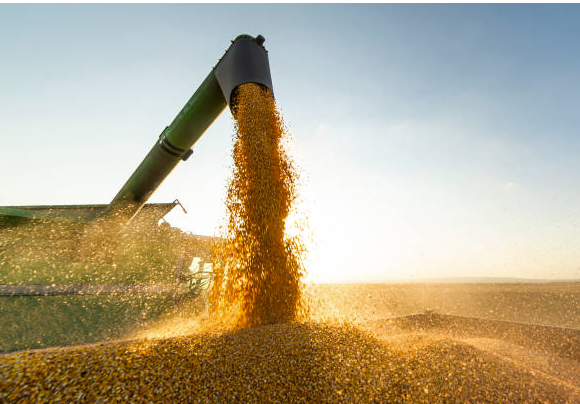
Corn: Corn futures saw some downside this week. The latest USDA Crop Progress report showed national corn harvest reaching 13% complete (ahead of the 11% five-year average), while national corn condition ratings held steady at 57% good-to-excellent, running 9 percentage points below last year's 66% rating. Combining picked up speed across the Midwest, applying seasonal basis pressure. There was some profit taking as traders braced for potential surprises in next Wednesday’s USDA Grain Stocks report and digested post-summit trade feedback. December closed at $5.28 ¾ .
Soybeans: Soybean futures traded choppy following Thursday's state dinner between President Trump and President Xi. While trade de-escalation rhetoric offered long-term hope, harvest pressure kept near-term upside limited. USDA rated national soybean conditions unchanged at 58% good-to-excellent, with leaf drop reaching 62% and national harvest advancing ahead of pace to 12% complete. November soybeans settled Friday at $13.20.
Wheat: Wheat futures faced downside pressure across the board. The complex was dragged lower by discussions around diplomatic peace efforts in Eastern Europe and moisture across Plains winter wheat ground. Spring wheat harvest wrapped up at 96% complete, while 2027 winter wheat planting reached 17% complete (slightly behind the 21% five-year average due to regional rains). Trade focus now turns to next Wednesday's USDA Small Grains Annual Summary, where final winter and spring wheat production estimates will be set. December Chicago wheat closed at $7.04 and December KC Wheat closed at $7.62
Cotton: Cotton futures managed modest gains near upper technical resistance levels.USDA rated the U.S. cotton crop at just 34% good-to-excellent, reflecting ongoing severe drought losses across West Texas. Cotton harvest reached 13% complete with 65% of bolls opening. December cotton closed at $82.60.
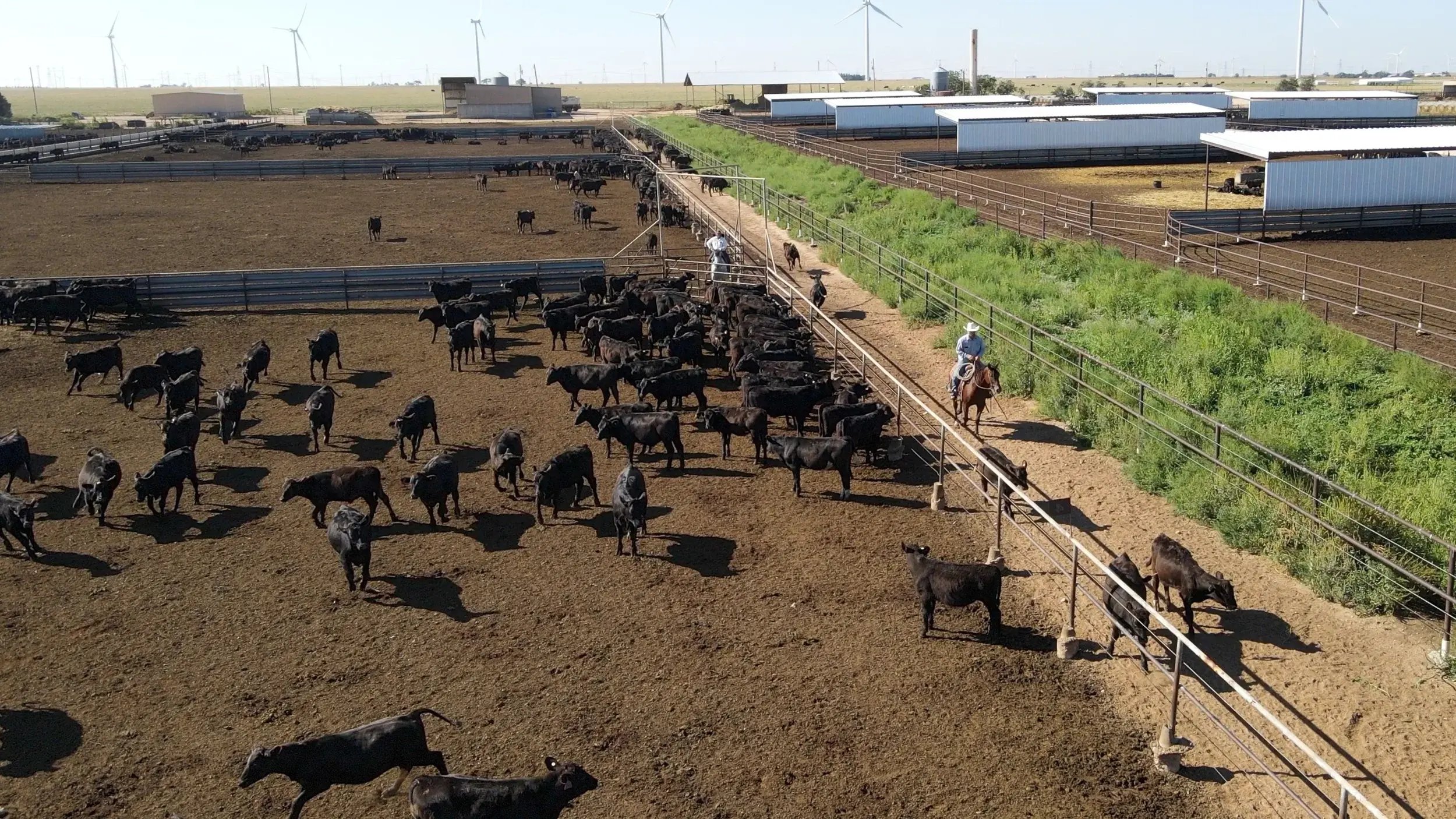
The livestock complex consolidated this week as traders balanced tight supply fundamentals from last Friday’s USDA report against slipping boxed beef values and firm cash bids.
Live Cattle: Futures chopped through the week. The market continued to draw underlying support from last week's Cattle on Feed data, which showed August placements falling 9% year-over-year to 1.62 million head, the lowest August placement figure on record since 1996. Physical cash fed cattle held firm despite packer efforts to trim slaughter margins. December live cattle closed at $222.15.
Feeder Cattle: Feeder cattle contracts tracked the live cattle lower. Despite some technical selling on Thursday, feeders closed in the green on Friday. Regional replacement calf auctions continued to show moderate feedlot bidding for calves. November closed at $331.975.
USDA Pre-Report Analysis (September 30 Report)
Heading into the September 30 USDA Grain Stocks and Small Grains Annual Summary reports, Randy Mittelstaedt at StoneX analysis highlights significant market risk and historical precedent for "notorious surprises":
- Corn Feed/Residual Discrepancy: Implied corn feed/residual usage was reported up 16% to 19% across the first three quarters of 2025/26 despite total U.S. livestock numbers remaining net even. Mittelstaedt notes this suggests last year's corn crop was either overstated or on-farm stock counts were inaccurate.
- Potential Revisions: While USDA has a historical bias toward Sept 1 corn stocks coming in below trade estimates (8 of the last 11 years), StoneX pencils Sept 1 old-crop corn stocks at 1.919 billion bushels, assuming USDA could trim the 2025 crop by ~100 million bushels.
- Soybeans & Wheat Estimates: Soybean Sept 1 stocks are projected at 333 million bushels (vs. USDA's prior 325M estimate) with minimal expectation for crop revisions. StoneX projects the 2026/27 U.S. all-wheat crop at 1.525 billion bushels, with 1st quarter wheat feed/residual usage pegged at an historically low 180 million bushels due to wide wheat-over-corn price spreads.
Crude Oil: WTI crude futures were volatile this week as diplomatic chatter between the U.S. and Iran continued. President Xi encouraged Trump to de-esclate with Iran by returning to the Peace Memorandum from June and continuing towards a peace deal. Crude closed near $92.25 /barrel.
S&P 500: Equities traded with a cautious bias as investors digested last week's 25bp Federal Reserve interest rate hike, surging 10-year Treasury yields near 5%, and Thursday evening's White House state dinner hosting major tech and financial CEOs alongside President Xi. The S&P closed Friday near 7800 climbing back toward all time highs.